Manufacturing Comparisons

Compare manufacturing models, sourcing strategies, production methods, logistics solutions, and supplier options to make informed business decisions.

Manufacturing Model Comparisons

Compare different manufacturing approaches, product development models, and production strategies used across global industries.

Detailed view of machinery in an operational glass factory in Dar es Salaam.
OEM vs ODM

Understand the differences between custom manufacturing and manufacturer-developed product solutions.

A flat lay of skincare products on a marble surface, showcasing a minimalistic and modern design.
OEM vs Private Label

Compare custom product development with ready-made products designed for private branding.

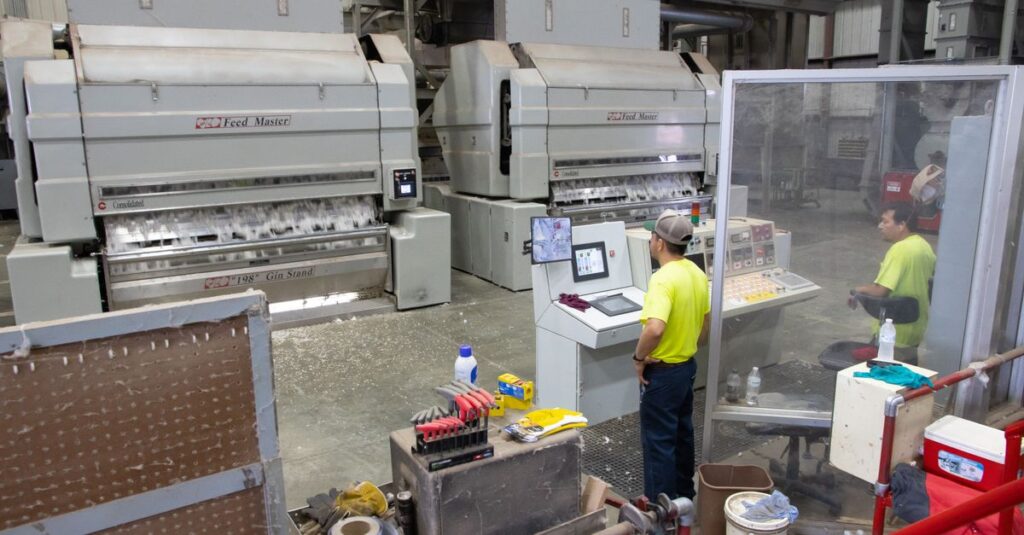
Workers operating machinery in a cotton gin factory in North Carolina
Contract Manufacturing vs In-House Production

Evaluate outsourced manufacturing against internal production operations and resource requirements.

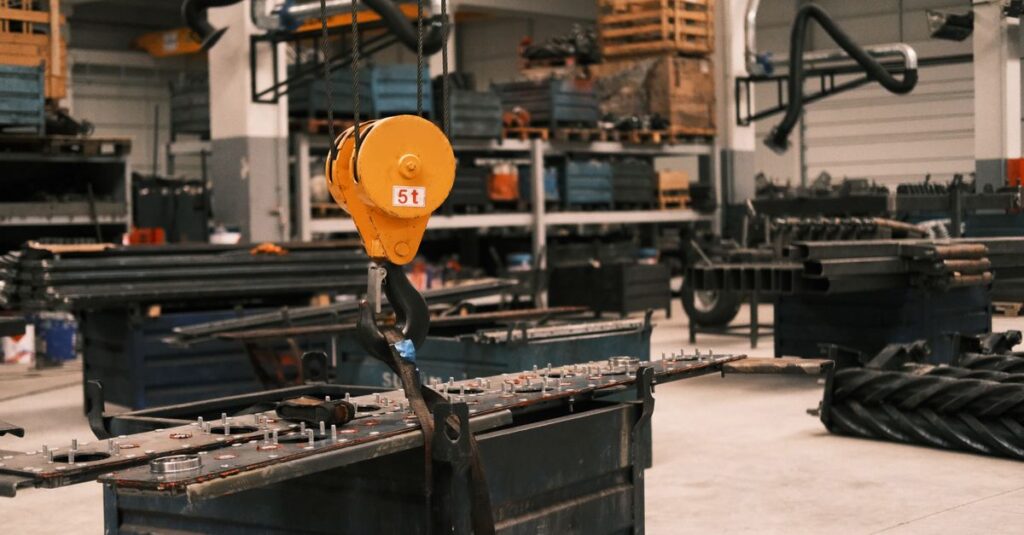
Close-up of a yellow industrial crane hook in a manufacturing workshop in Konya, Türkiye, showcasing metalwork.
Small Batch vs Mass Production

Compare production flexibility, costs, scalability, and operational efficiency.

Sourcing & Supply Chain Comparisons

Evaluate sourcing regions, logistics options, supplier strategies, and procurement approaches.

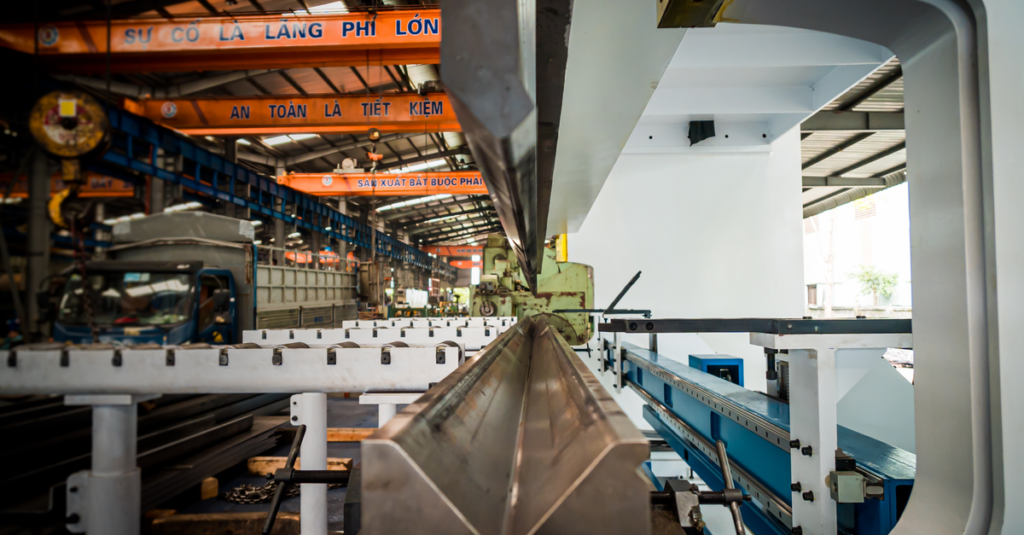
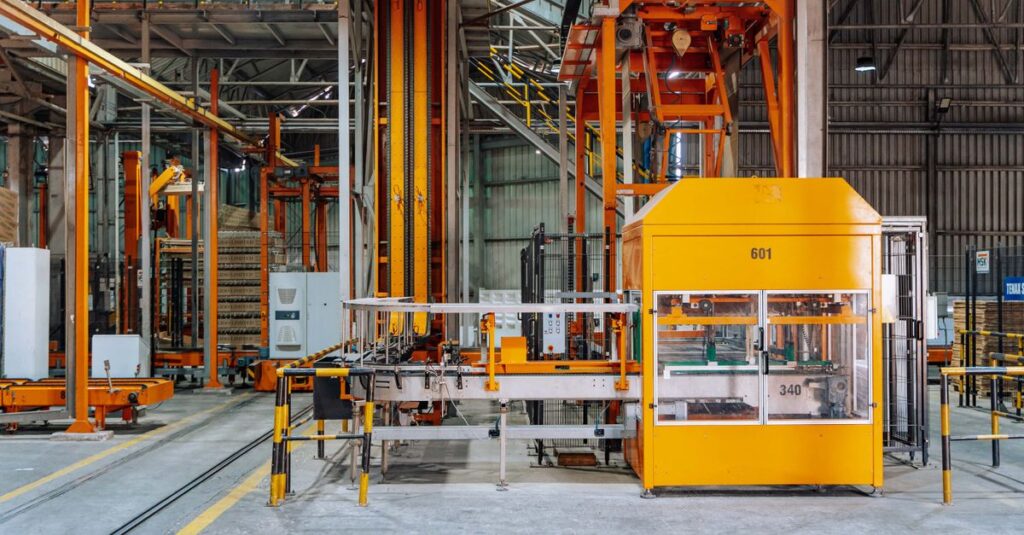
Interior view of an industrial building featuring machinery and metal conveyor systems.

China vs Vietnam Manufacturing

Compare manufacturing capabilities, labor costs, supplier ecosystems, and production capacity.

A detailed view of a world map with tiny model ships and flags indicating locations, highlighting global trade routes.

Domestic vs Overseas Sourcing

Evaluate cost structures, lead times, communication, and supply chain complexity.

Large cargo ship transporting containers across a calm sea, symbolizing global logistics.

Air Freight vs Ocean Freight

Compare transportation costs, delivery speed, capacity, and logistics planning considerations.

Two businessmen analyze financial documents during a meeting, focusing on data trends and performance.

Single Supplier vs Multi-Supplier Strategy

Assess sourcing risks, supplier dependency, operational flexibility, and procurement efficiency.

Professional setting of a business meeting with individuals signing documents on a conference table.

Factory Direct vs Trading Company

Compare direct factory sourcing with trading company services based on pricing, communication, flexibility, and supplier management.

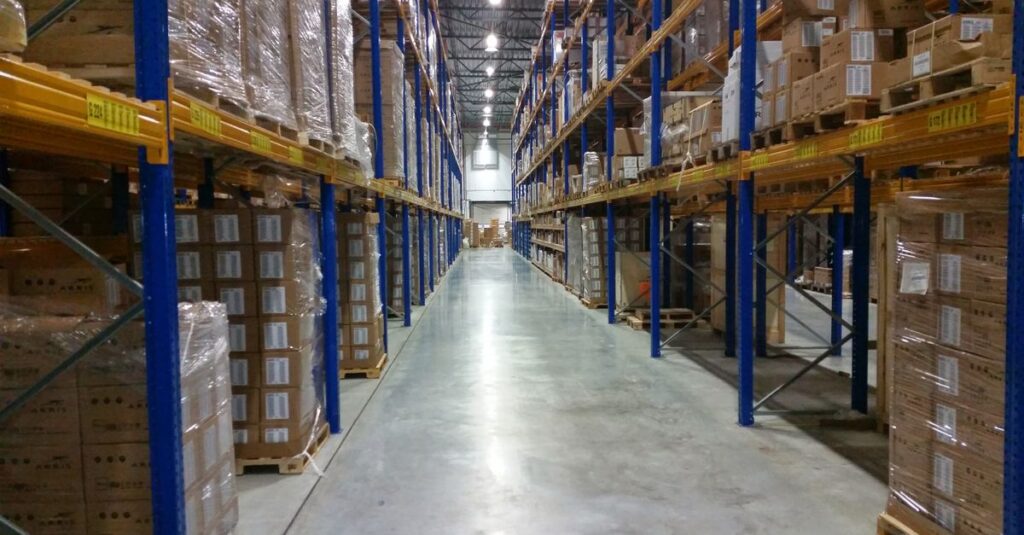
Interior view of a large warehouse aisle lined with stacks of organized cardboard boxes.

Local Warehousing vs Direct Shipping

Evaluate inventory availability, fulfillment speed, warehousing costs, and distribution efficiency.

Industry Manufacturing Comparisons

Compare manufacturing requirements, quality standards, compliance considerations, and production processes across major industries.

Women in a factory focusing on manufacturing with teamwork and precision.

Beauty & Personal Care

Compare formulation development, packaging requirements, certifications, and production workflows.

A close-up of assorted pills and supplements arranged on a marble surface, highlighting healthcare and wellness themes.

Supplements & Wellness

Evaluate ingredient sourcing, GMP standards, testing programs, and manufacturing controls.

Close-up of ampoule filling and sealing in a pharmaceutical manufacturing line.

Medical & Aesthetics

Compare regulatory requirements, quality systems, product traceability, and compliance standards.

Close-up view of glass bottles on an industrial production line in a manufacturing facility.

Tea & Beverage

Evaluate ingredient sourcing, food safety requirements, packaging solutions, and production methods.

A vibrant collection of diverse coffee packaging pinned on a bulletin board, showcasing various brands.

Packaging & Printing

Compare packaging materials, printing methods, structural designs, and finishing capabilities.

Detailed view of organized electronic circuit boards in a production setting.

Electronics & Repair

Assess component sourcing, manufacturing precision, testing procedures, and quality control systems.

Why Manufacturing Comparisons Matter

Comparing manufacturing options helps businesses identify the most suitable production strategies, sourcing models, and supply chain solutions.

  • Improve sourcing decisions
  • Compare production costs
  • Evaluate manufacturing models
  • Reduce operational risks
  • Optimize supply chains
  • Support business scalability

Key Comparison Factors

Effective manufacturing comparisons evaluate quality, cost, lead times, production capacity, compliance requirements, and supplier reliability.

  • Production Costs
  • Manufacturing Capability
  • Quality Standards
  • Lead Times
  • Supply Chain Complexity
  • Regulatory Compliance
  • Scalability

F.A.Q.

Find answers to common questions about manufacturing models, sourcing strategies, production methods, logistics options, and supplier comparisons.

OEM manufacturing produces products based on buyer specifications, while ODM manufacturing offers manufacturer-developed products that can be customized and branded.
OEM offers greater customization and product ownership, while private label provides faster market entry with lower development costs.
China offers mature supply chains, larger manufacturing ecosystems, and advanced production capabilities, while Vietnam often provides lower labor costs and diversification opportunities.
Domestic sourcing typically offers shorter lead times and easier communication, while overseas sourcing may provide lower costs and broader manufacturing options.
Air freight provides faster delivery but higher transportation costs. Ocean freight offers lower shipping costs but longer transit times.
Single-supplier strategies simplify management and may reduce costs, while multi-supplier strategies improve supply chain resilience and reduce dependency risks.
Manufacturing costs vary based on labor rates, material sourcing, infrastructure, compliance requirements, logistics costs, and production scale.
Compare supplier capabilities, production capacity, quality systems, pricing structures, lead times, certifications, communication efficiency, and operational reliability.

Related Articles

Hello world!

Welcome to WordPress. This is your first post. Edit or delete it, then start writing!...

Compare Manufacturing Options with Confidence

Explore side-by-side manufacturing comparisons covering sourcing strategies, production models, logistics solutions, and supplier options.

Scroll to Top