Understand DDP shipping, customs clearance procedures, import duties, tariff management, trade documentation, and cross-border compliance requirements for international sourcing and global supply chains.
Customs & Trade Management
Customs and trade management ensure products move efficiently across borders while meeting regulatory requirements, documentation standards, and import compliance obligations.
Customs Clearance
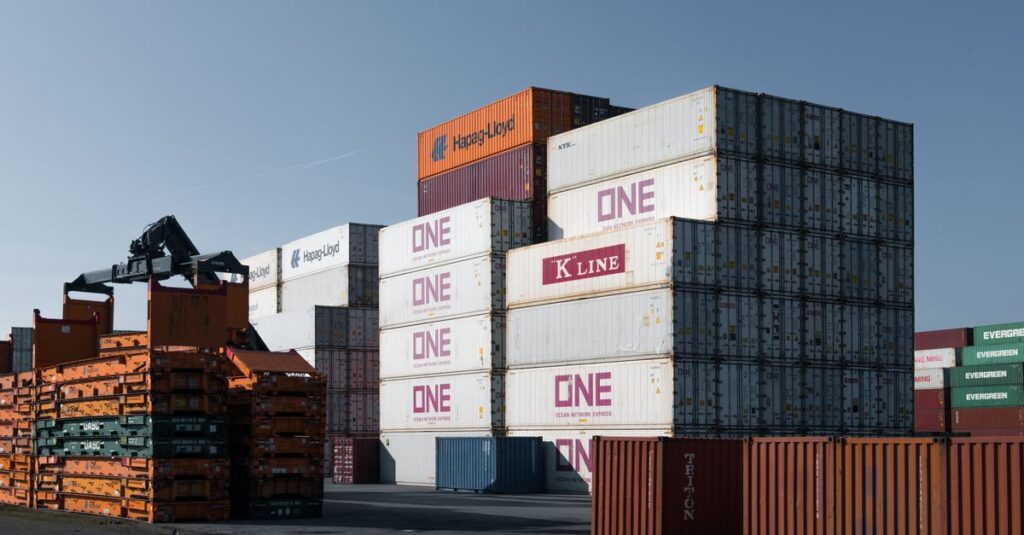
Import declarations, customs inspections, clearance procedures, and shipment release requirements.
Import Duties & Tariffs
Duty calculations, tariff classifications, customs fees, and landed cost considerations.
Trade Documentation
Commercial invoices, packing lists, certificates of origin, and customs filing requirements.
Cross-Border Compliance
Import regulations, product requirements, restricted goods, and trade compliance processes.
DDP Shipping Process
DDP shipping transfers transportation, customs clearance, duties, and delivery responsibilities to the seller, creating a simplified importing process for buyers.
Supplier Preparation
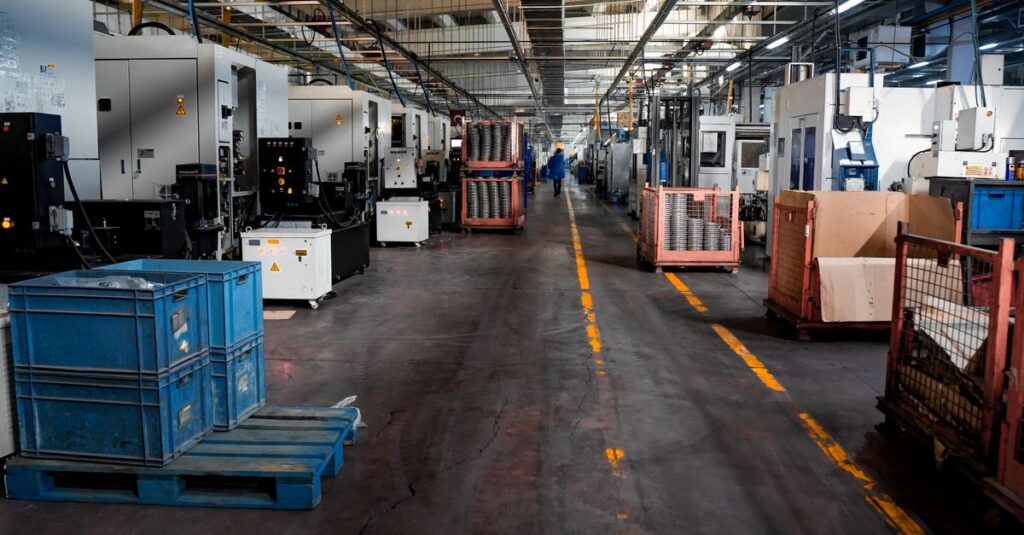
Product manufacturing, packaging, and export documentation preparation.
Export Clearance
Export customs declarations and shipment approval at origin.
International Transportation
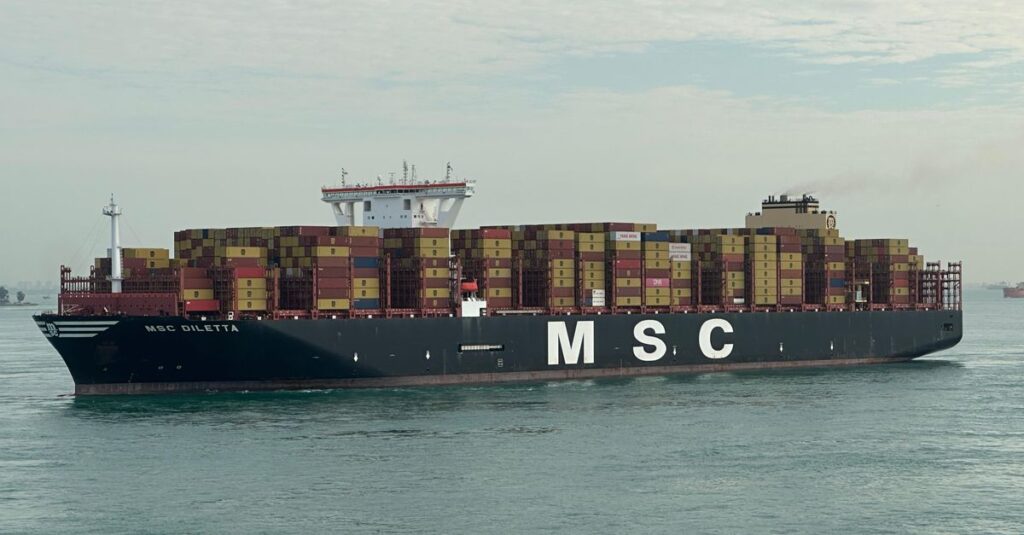
Ocean freight, air freight, rail freight, or multimodal shipping.
Import Customs Clearance
Duty payments, customs inspections, and regulatory compliance review.
Final Delivery
Transportation from destination port to warehouse or final location.
Distribution & Inventory
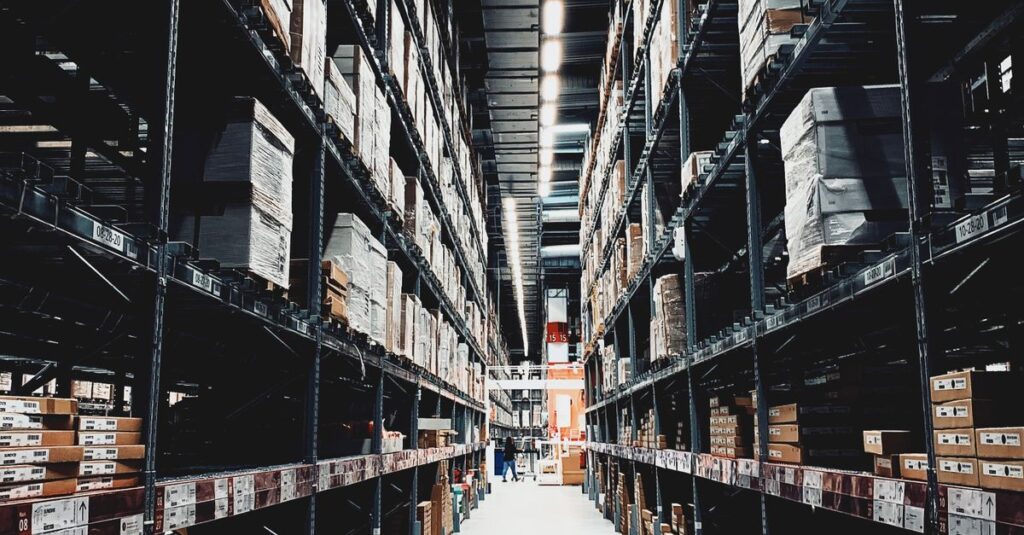
Storage, inventory management, and supply chain integration.
Industry Applications
DDP shipping and customs management support international sourcing, manufacturing, distribution, and retail operations across multiple industries.
Beauty & Personal Care
Import skincare, cosmetics, personal care products, and packaging materials.
Supplements & Wellness
Import nutraceuticals, wellness products, dietary supplements, and ingredients.
Medical & Aesthetics
Support regulated imports requiring customs compliance and documentation.
Tea & Beverage
Manage cross-border imports of tea products, beverage ingredients, and packaging.
Sports & Recreation Equipment
Coordinate international sourcing and importing of sporting goods and equipment.
Electronics & Repair
Import electronic components, repair parts, devices, and accessories.
Benefits of DDP Shipping
DDP shipping and customs management help businesses simplify international trade, improve cost visibility, reduce compliance risks, and support more efficient cross-border supply chain operations.
Simplified importing process
Predictable landed costs
Reduced customs complexity
Lower administrative workload
Improved delivery visibility
Faster supply chain coordination
Key Customs Considerations
Understanding customs requirements, duty obligations, product classifications, and import regulations helps businesses reduce delays, avoid penalties, and maintain compliance in international trade.
HS code classifications
Duty and tax calculations
Import regulations
Trade documentation requirements
Country-specific compliance rules
Customs inspection procedures
F.A.Q.
Find answers to common questions about DDP shipping, customs clearance, import duties, tariff classifications, trade documentation, and international compliance requirements.
Under DDP the seller manages most logistics responsibilities, while FOB transfers responsibility to the buyer after goods are loaded at the port of origin.
Customs clearance timelines vary by country, shipment type, documentation accuracy, and inspection requirements. Proper documentation can help reduce delays.
Products such as cosmetics, supplements, medical devices, food products, electronics, and regulated goods may require additional certifications, testing, labeling, or government approvals before importation.
Welcome to WordPress. This is your first post. Edit or delete it, then start writing!...
DDP & Customs Solutions
Connect with manufacturers, sourcing partners, logistics providers, and international trade specialists supporting global import and export operations.