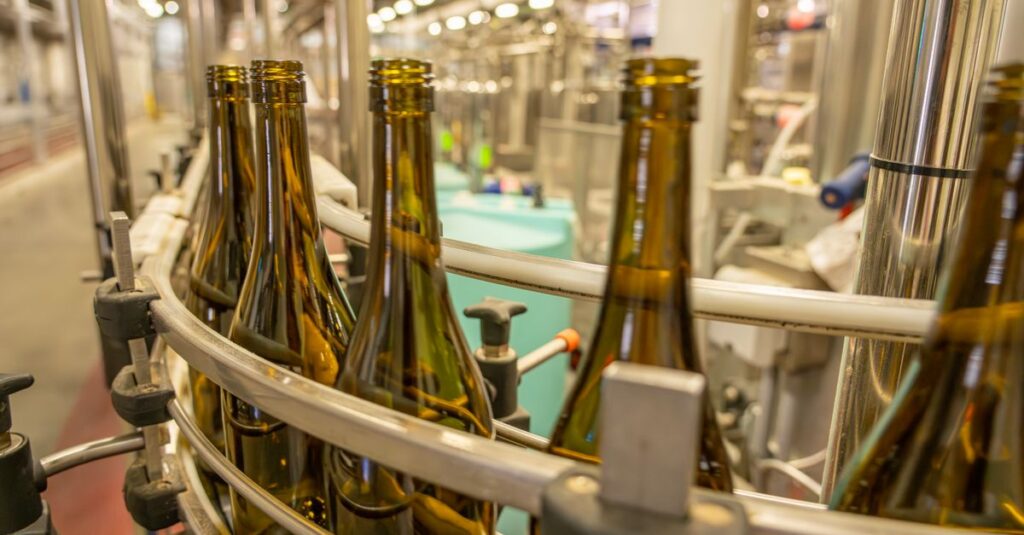
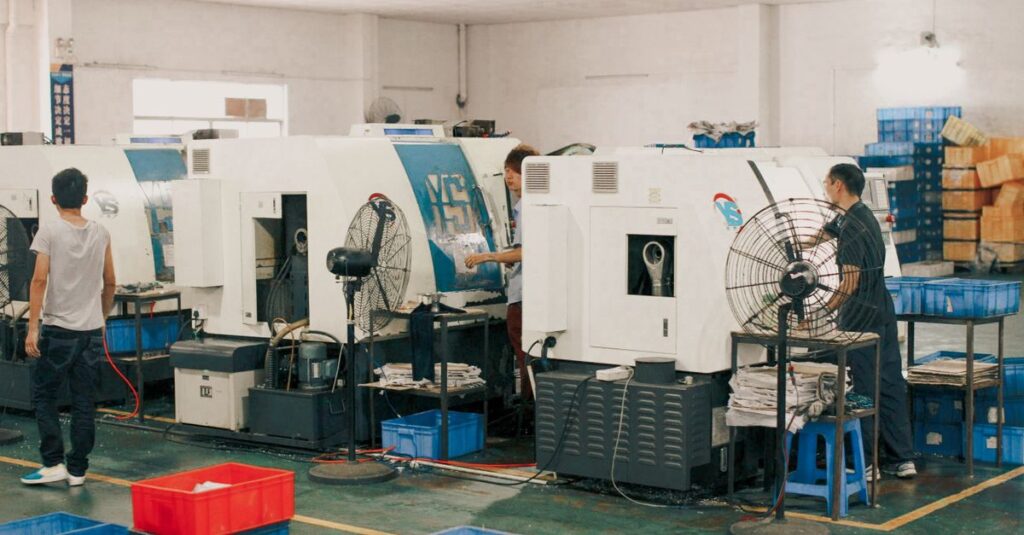
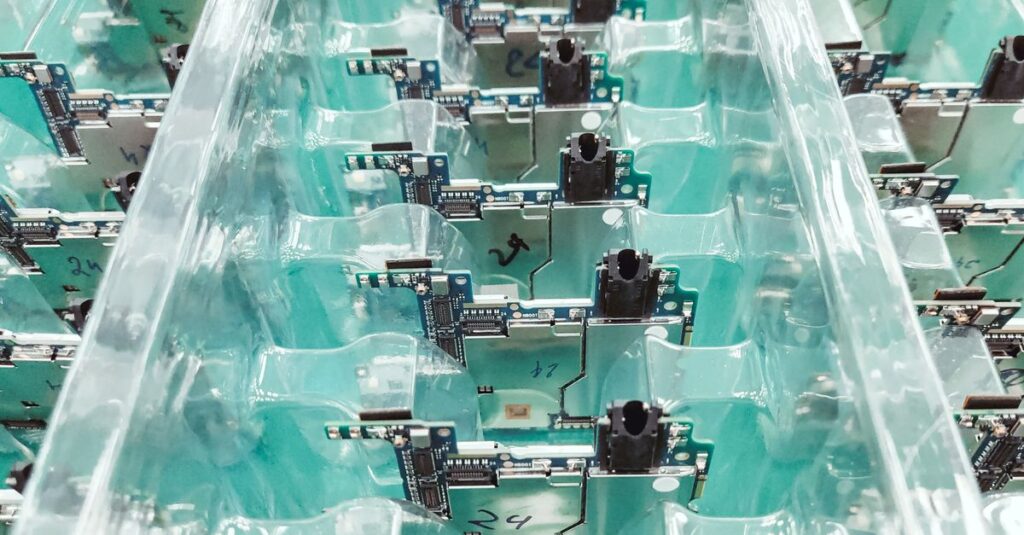
Manufacturing workflow refers to the structured sequence of activities involved in product development, production planning, manufacturing execution, quality control, packaging, and delivery.
Manufacturing Workflow Services
Effective manufacturing workflows improve production efficiency, quality consistency, resource allocation, and supply chain coordination across the entire manufacturing process.
Production Planning
Develop production schedules, allocate resources, and coordinate manufacturing activities to ensure efficient operations.
Process Management
Manage manufacturing processes through standardized workflows that improve consistency and operational efficiency.
Quality Control
Integrate inspection and quality assurance procedures throughout production workflows.
Supply Chain Coordination
Coordinate suppliers, materials, inventory, logistics, and production requirements across manufacturing operations.
Manufacturing Workflow Process
A manufacturing workflow connects planning, production, quality management, packaging, and delivery activities into a structured operational system.
Product Planning
Define product requirements, specifications, materials, and manufacturing objectives.
Production Scheduling
Organize manufacturing timelines, equipment allocation, and workforce planning.
Material Procurement
Source raw materials, components, and packaging materials required for production.
Manufacturing Execution
Perform production activities according to established manufacturing procedures.
Quality Inspection
Conduct in-process and final inspections to maintain product quality standards.
Packaging & Delivery
Prepare finished products for packaging, shipment, and distribution.
Industry Applications
Manufacturing workflows support multiple industries by coordinating planning, production, quality management, packaging, and supply chain operations throughout the manufacturing process.
Beauty & Personal Care
Cosmetics, skincare products, personal care devices, and beauty manufacturing workflows requiring quality control and packaging coordination.
Supplements & Wellness
Dietary supplements, wellness products, capsule manufacturing, packaging operations, and regulated production workflows.
Medical & Aesthetics
Medical devices, healthcare products, and regulated manufacturing environments requiring strict workflow management and quality systems.
Well-designed manufacturing workflows help organizations standardize operations, improve product quality, reduce production delays, and enhance overall manufacturing performance.
Standardized manufacturing processes
Improved production efficiency
Better quality management
Reduced operational bottlenecks
Enhanced resource utilization
Improved delivery reliability
Key Workflow Components
Manufacturing workflows connect every stage of production from planning and procurement to manufacturing execution, quality inspection, packaging, and distribution.
Product planning
Production scheduling
Material procurement
Manufacturing execution
Quality inspection
Packaging and delivery
F.A.Q.
Find answers to common questions about manufacturing workflows, production planning, process management, quality control, supply chain coordination, and operational efficiency.
A manufacturing workflow is a structured sequence of activities that guides products from planning and procurement through production, quality control, packaging, and delivery.
Typical workflow stages include product planning, production scheduling, material procurement, manufacturing execution, quality inspection, and packaging and delivery.
Manufacturers improve workflow efficiency through process standardization, automation, workforce training, production planning, and continuous process optimization.
Quality control helps identify defects, maintain product consistency, meet regulatory requirements, and ensure customer satisfaction throughout the manufacturing process.
Effective inventory management ensures materials are available when needed, reduces shortages, minimizes excess stock, and supports smooth production workflows.
ERP systems, MES platforms, automation equipment, inventory management software, and quality control systems help manufacturers manage workflows more efficiently.