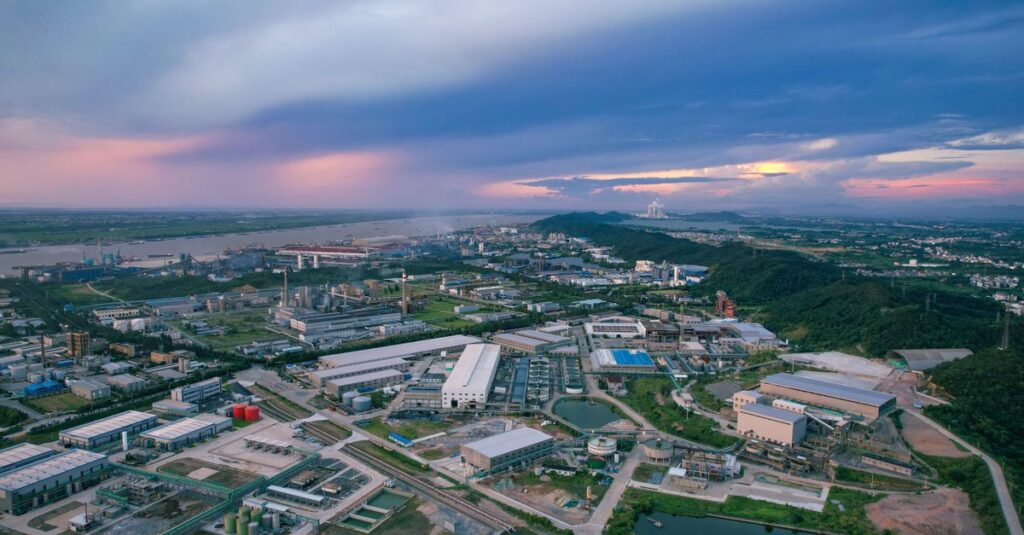
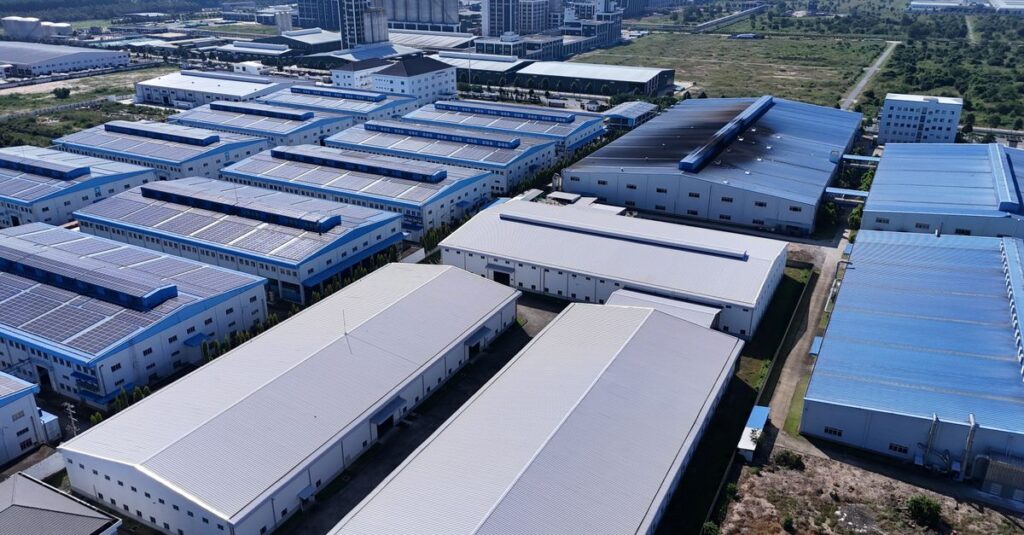
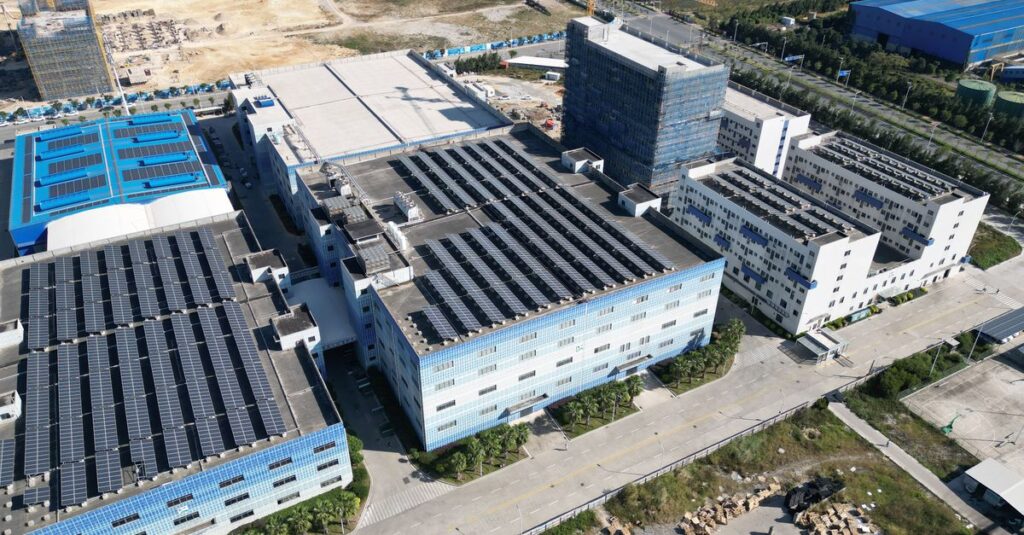
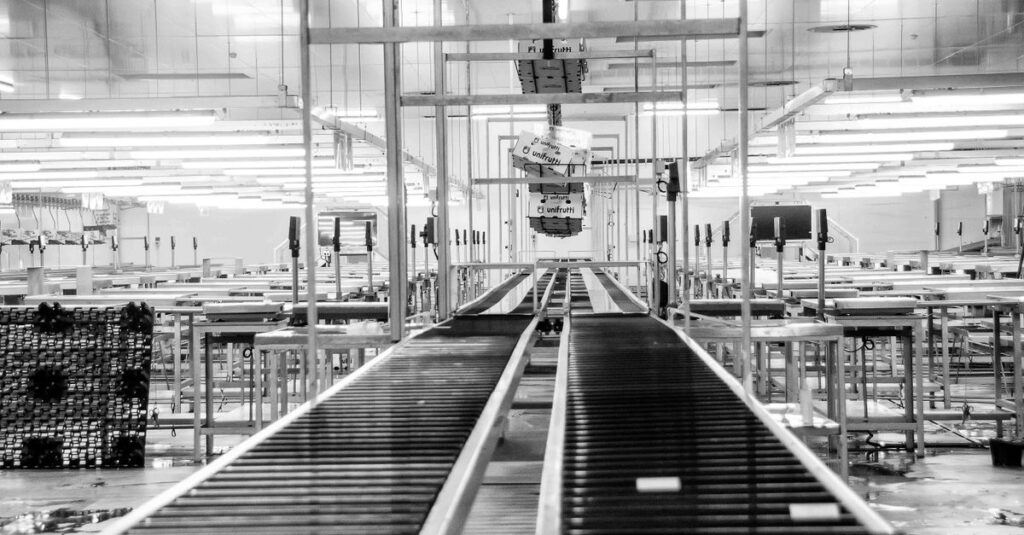
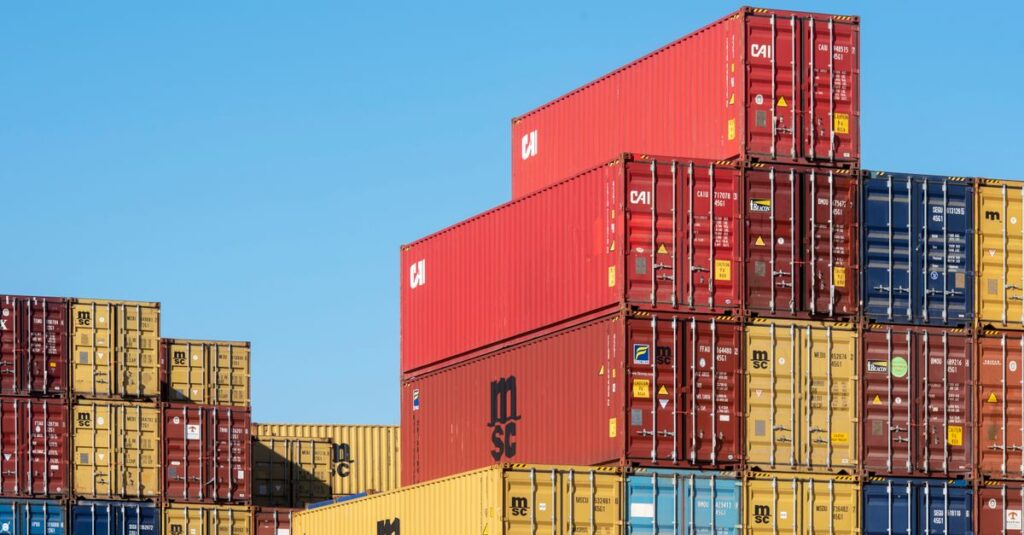
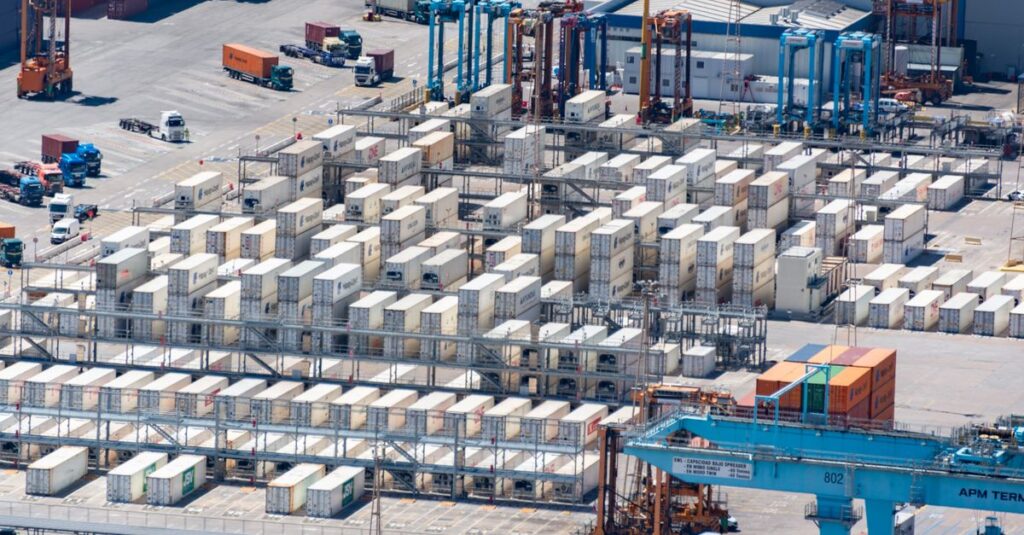
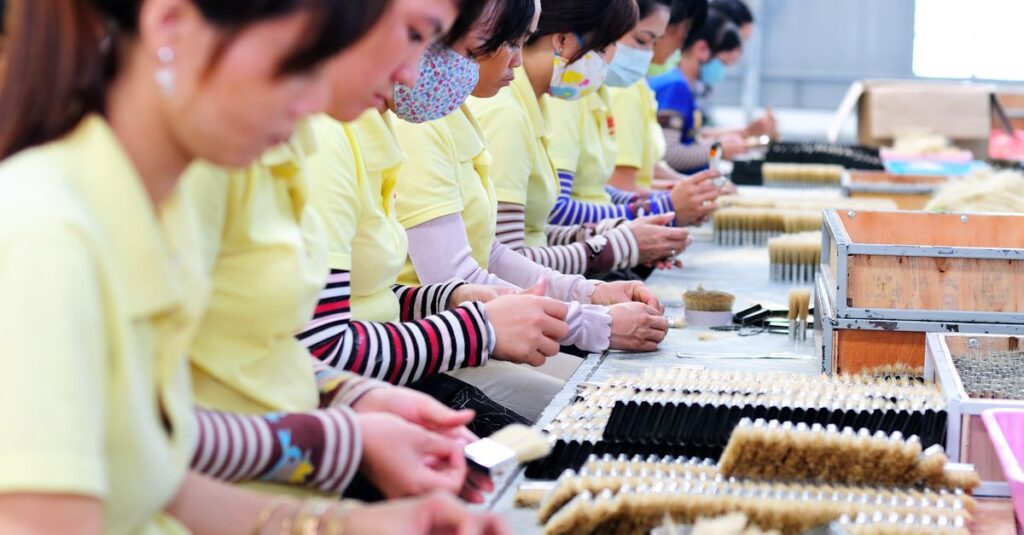
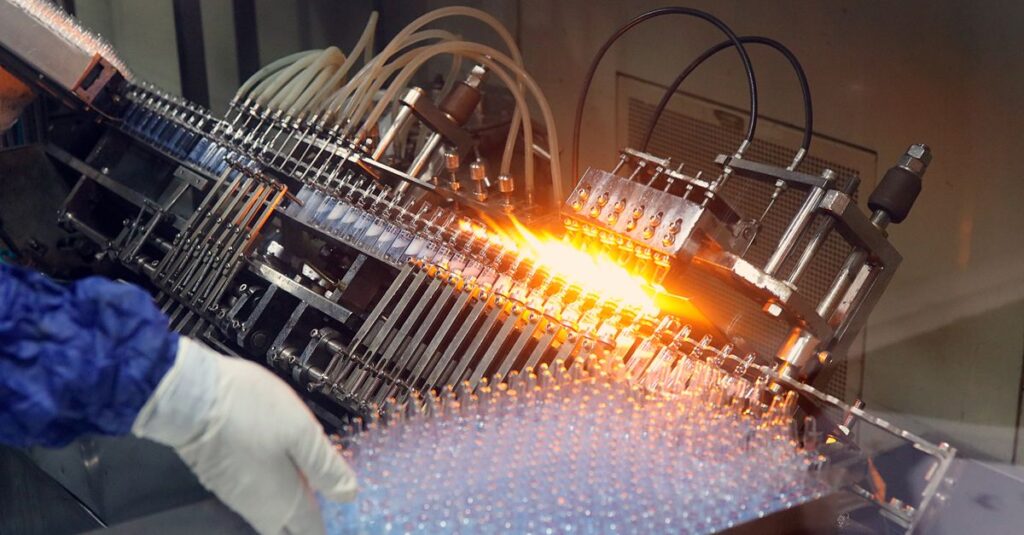
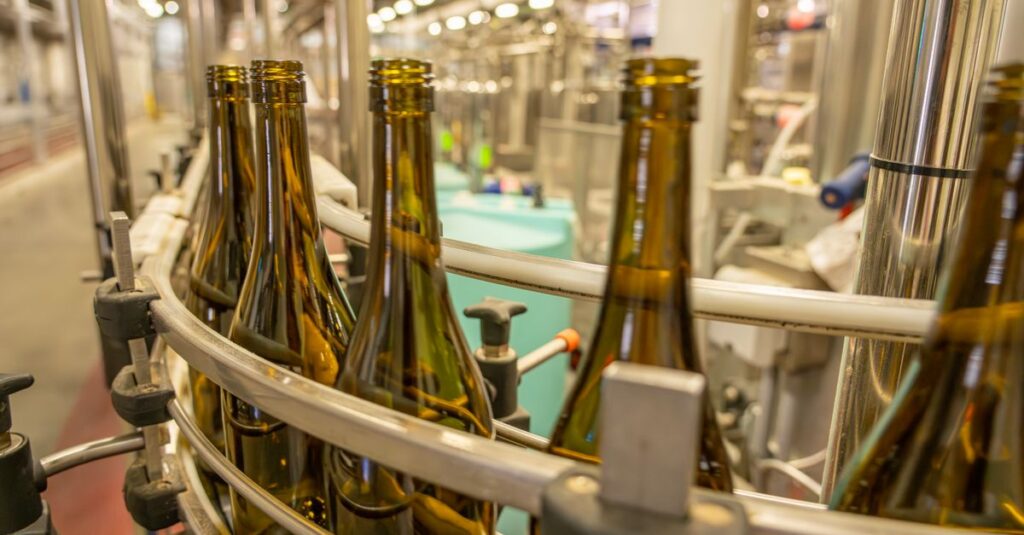
China remains one of the world’s leading manufacturing hubs, offering extensive supplier networks, industrial clusters, scalable production capabilities, and export infrastructure across multiple industries.
China Manufacturing Ecosystem
China’s manufacturing ecosystem supports global brands through specialized industrial regions, mature supply chains, and scalable production capabilities.
Industrial Clusters
Specialized manufacturing regions supporting electronics, beauty products, supplements, packaging, consumer goods, and industrial production.
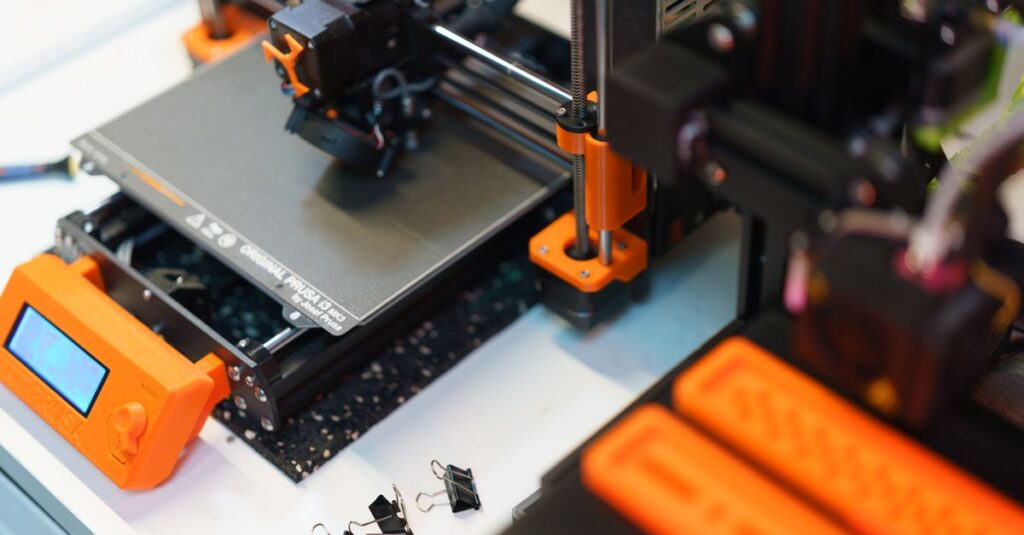
Production services for brands seeking custom manufacturing, private label production, and contract manufacturing solutions.
ODM Solutions
Ready-to-market product development services supported by experienced manufacturing partners.
China Manufacturing Process
Successful sourcing projects typically follow a structured process from supplier identification through production and shipment.
Supplier Discovery
Identify qualified factories based on product requirements, certifications, production capabilities, and industry expertise.
Factory Evaluation
Review supplier qualifications, manufacturing systems, production capacity, and quality management processes.
Sampling & Prototyping
Validate product specifications through sample development, testing, and production approval.
Production Management
Coordinate manufacturing schedules, quality inspections, and production milestones.
Logistics Coordination
Arrange packaging, export documentation, freight booking, and shipment planning.
Delivery & Scaling
Support ongoing production growth, supplier management, and supply chain optimization.
Major Manufacturing Industries in China
China supports manufacturing across a wide range of industries through specialized production clusters, supplier ecosystems, and export-oriented infrastructure.
Beauty & Personal Care
OEM skincare, cosmetic packaging, private label products, and ingredient sourcing.
Medical devices, biomaterials, aesthetics manufacturing, and healthcare supply chains.
Tea & Beverage
Tea sourcing, beverage manufacturing, food packaging, and export-oriented production.
Packaging & Printing
Custom packaging, retail packaging, labels, cartons, and sustainable packaging solutions.
Electronics & Repair
Consumer electronics, repair components, refurbishment systems, and electronic manufacturing.
Why China Manufacturing
China remains a leading manufacturing destination due to its extensive supplier networks, production capabilities, and export infrastructure.
Established manufacturing ecosystems
Scalable production capacity
Wide supplier availability
Integrated supply chain networks
Export-ready infrastructure
Industry-specific expertise
Key Manufacturing Considerations
Successful sourcing projects require careful evaluation of suppliers, production requirements, quality systems, and logistics planning.
Supplier qualification
Production capabilities
Quality management systems
Minimum order quantities
Lead time planning
Logistics coordination
F.A.Q.
Find answers to common questions about manufacturing in China, supplier sourcing, factory evaluation, production planning, quality management, and export operations.
China offers extensive supplier networks, specialized industrial clusters, scalable production capacity, and established export infrastructure that support a wide range of industries.
China manufactures products across beauty and personal care, supplements, medical products, packaging, electronics, tea and beverage, consumer goods, and industrial sectors.
Businesses typically identify suppliers through sourcing platforms, industry networks, trade shows, manufacturing directories, referrals, and factory sourcing partners.
Important considerations include production capabilities, quality management systems, certifications, manufacturing experience, communication, lead times, and capacity.
OEM manufacturing produces products based on a buyer’s specifications, while ODM manufacturing provides pre-developed products that can be customized and branded.
Quality control helps ensure products meet specifications, reduce defects, maintain consistency, and support customer satisfaction throughout production.
Lead times can be influenced by material availability, production schedules, order quantities, factory capacity, product complexity, and shipping arrangements.
Products are typically exported through established logistics networks that include packaging, customs documentation, freight forwarding, international shipping, and final delivery.
Related Articles
No posts found.
China Manufacturing Solutions
Access sourcing guidance, supplier evaluation insights, manufacturing expertise, production planning resources, and supply chain knowledge for projects across China.