Global supply chains connect suppliers, manufacturers, logistics providers, distributors, and markets across multiple countries to support international production and trade.
Global Supply Chain Networks
Modern supply chains rely on interconnected sourcing, manufacturing, logistics, and distribution networks operating across global markets.
International Sourcing
Access suppliers, manufacturers, and production resources across multiple countries and regions.
Manufacturing Networks
Coordinate production activities through regional manufacturing hubs and supplier ecosystems.
Logistics Infrastructure
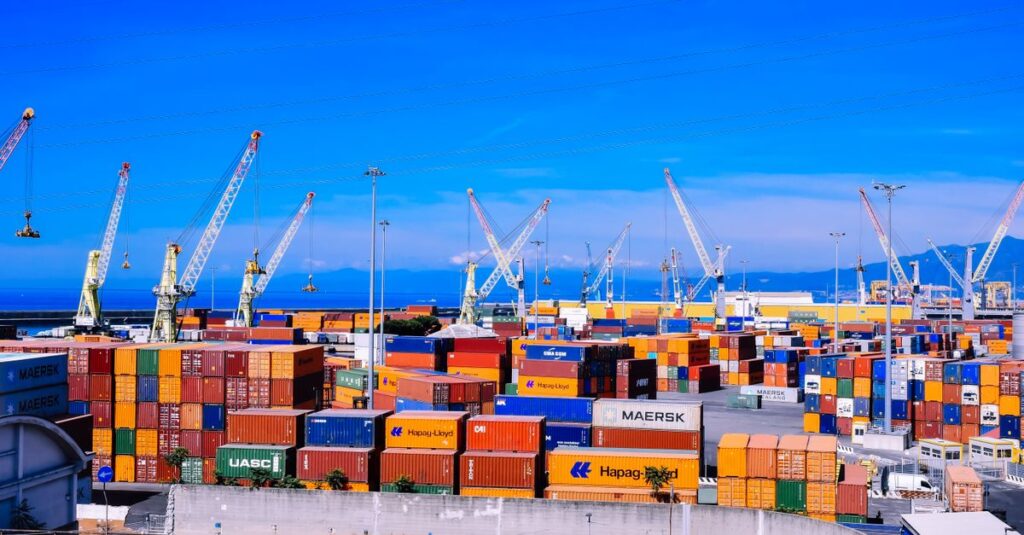
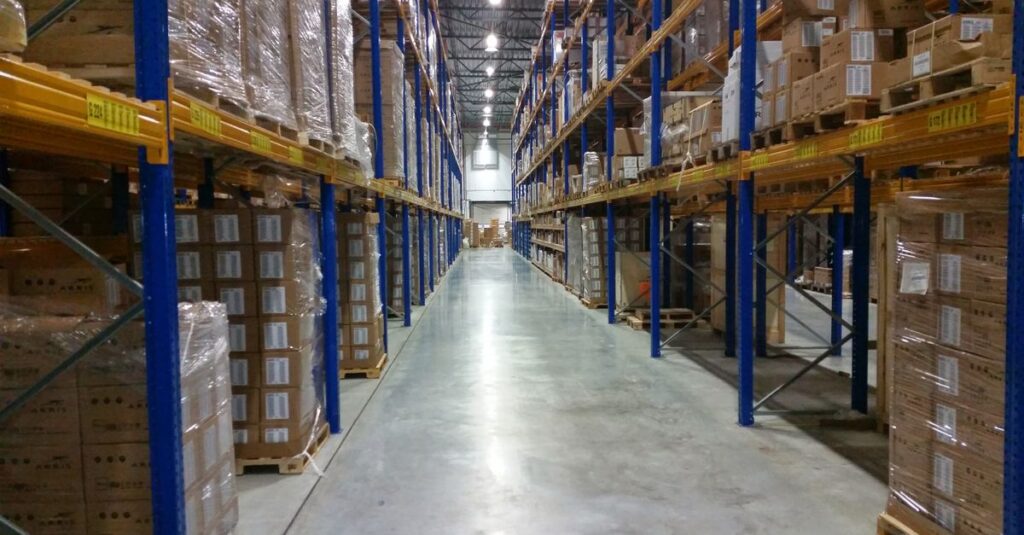
Support international transportation through ports, freight networks, warehouses, and distribution centers.
Distribution Channels
Move products efficiently through wholesale, retail, e-commerce, and international distribution networks.
Global Supply Chain Process
Successful supply chains require coordination from sourcing and manufacturing through logistics, distribution, and final delivery.
Supplier Sourcing
Identify qualified suppliers and production partners that meet quality, capacity, and business requirements.
Production Planning
Coordinate manufacturing schedules, inventory requirements, and production capacity across multiple facilities.
Inventory Management
Balance inventory levels to support demand while reducing storage and operational costs.
Logistics Coordination
Manage freight booking, transportation planning, customs processes, and shipment tracking.
Distribution Management
Coordinate warehousing, fulfillment, and regional distribution activities.
Delivery & Optimization
Improve supply chain performance through visibility, analytics, and continuous operational improvements.
Global Supply Chain Applications
Supply Chain Applications Across Industries
Beauty & Personal Care
Ingredient sourcing, contract manufacturing, packaging supply chains, and international distribution.
Supplements & Wellness
Raw material sourcing, GMP manufacturing, regulatory supply chains, and global fulfillment.
Medical & Aesthetics
Medical product sourcing, compliance-focused supply chains, and healthcare distribution networks.
Tea & Beverage
Ingredient sourcing, beverage manufacturing, packaging procurement, and export logistics.
Packaging & Printing
Packaging material sourcing, production planning, and international packaging supply chains.
Electronics & Repair
Electronic component sourcing, manufacturing networks, repair parts supply chains, and distribution.
Why Global Supply Chains Matter
Global supply chains enable businesses to access suppliers, manufacturing capabilities, and distribution networks across international markets.
Find answers to common questions about international sourcing, logistics networks, supplier management, inventory planning, and global supply chain operations.
A global supply chain is a network of suppliers, manufacturers, logistics providers, distributors, and customers operating across multiple countries to support product development, production, and delivery.
Global supply chains provide access to international suppliers, manufacturing capabilities, specialized resources, and distribution networks that support business growth and operational flexibility.
Businesses manage international suppliers through supplier qualification processes, performance monitoring, communication systems, procurement practices, and ongoing relationship management.
Supply chain performance can be influenced by supplier reliability, production capacity, inventory management, transportation efficiency, market demand, and operational visibility.
Logistics supports the movement of materials and products through transportation planning, freight management, customs processes, warehousing, and final delivery.
Supply chain resilience can be improved through supplier diversification, risk management planning, inventory strategies, and increased visibility across operations.
Technologies such as ERP systems, inventory management platforms, procurement software, analytics tools, and supply chain visibility solutions help improve operational efficiency.
Related Articles
No posts found.
Global Supply Chain Insights
Access sourcing intelligence, supply chain strategies, logistics insights, and operational knowledge for managing global supplier and manufacturing networks.